
1. The Primacy of Solar Aspect (Azimuth)
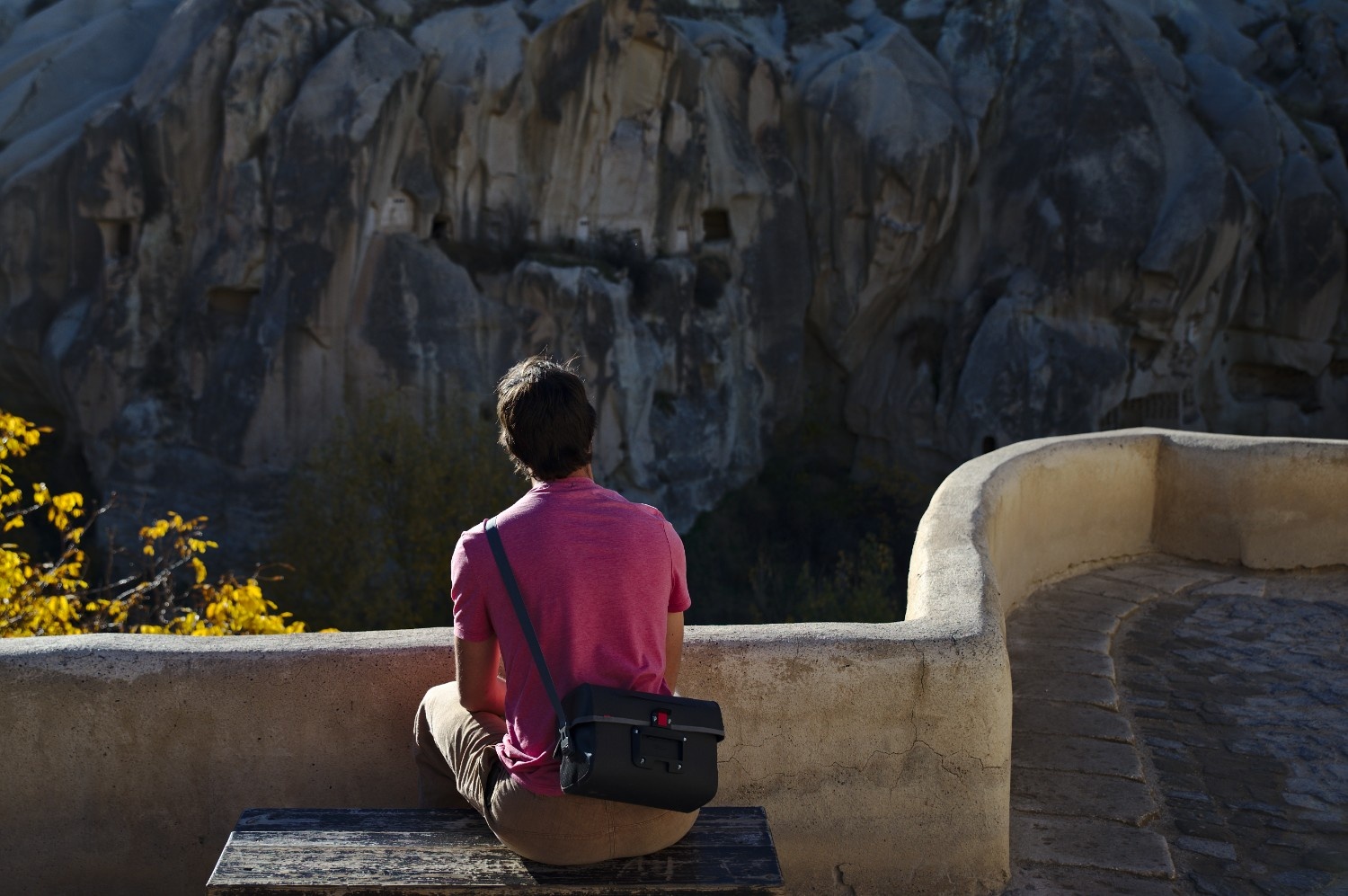
In the northern hemisphere, particularly across the sub-Himalayan ridges between 29° and 31° North latitude, solar aspect is the single most critical factor in residential comfort. A north-facing slope receives minimal direct sunlight during winter months, causing interior temperatures to plummet and dampness to linger in masonry.
At Pineorra HHills, our master plan positions residences along unobstructed south and south-east facing ridges. During December and January, low-angle winter sunlight penetrates deep into living salons through expansive glazed facades, warming stone thermal masses naturally throughout the day.
2. The Slope Gradient Sweet Spot: 15° to 25°
Building on flat land in the mountains often means sitting in a valley bottom, losing panoramic vistas and risking cold air drainage. Conversely, slopes exceeding 35 degrees require massive, expensive retaining walls and present severe erosion risks.
The ideal mountain villa contour sits between 15 and 25 degrees. This gentle incline allows architects to design stepped, multi-level residences where the upper bedrooms overlook the living room terrace below, ensuring every level enjoys private outdoor gardens and unbroken mountain views.
- Minimizes earth cutting, preserving the natural root systems of surrounding trees.
- Enables multi-tiered cantilevered timber decks integrated with natural rock outcrops.
- Facilitates gravity-fed domestic water pressure without constant electrical pumping.
3. Geotechnical Foundations: Bedrock vs Colluvium Soil
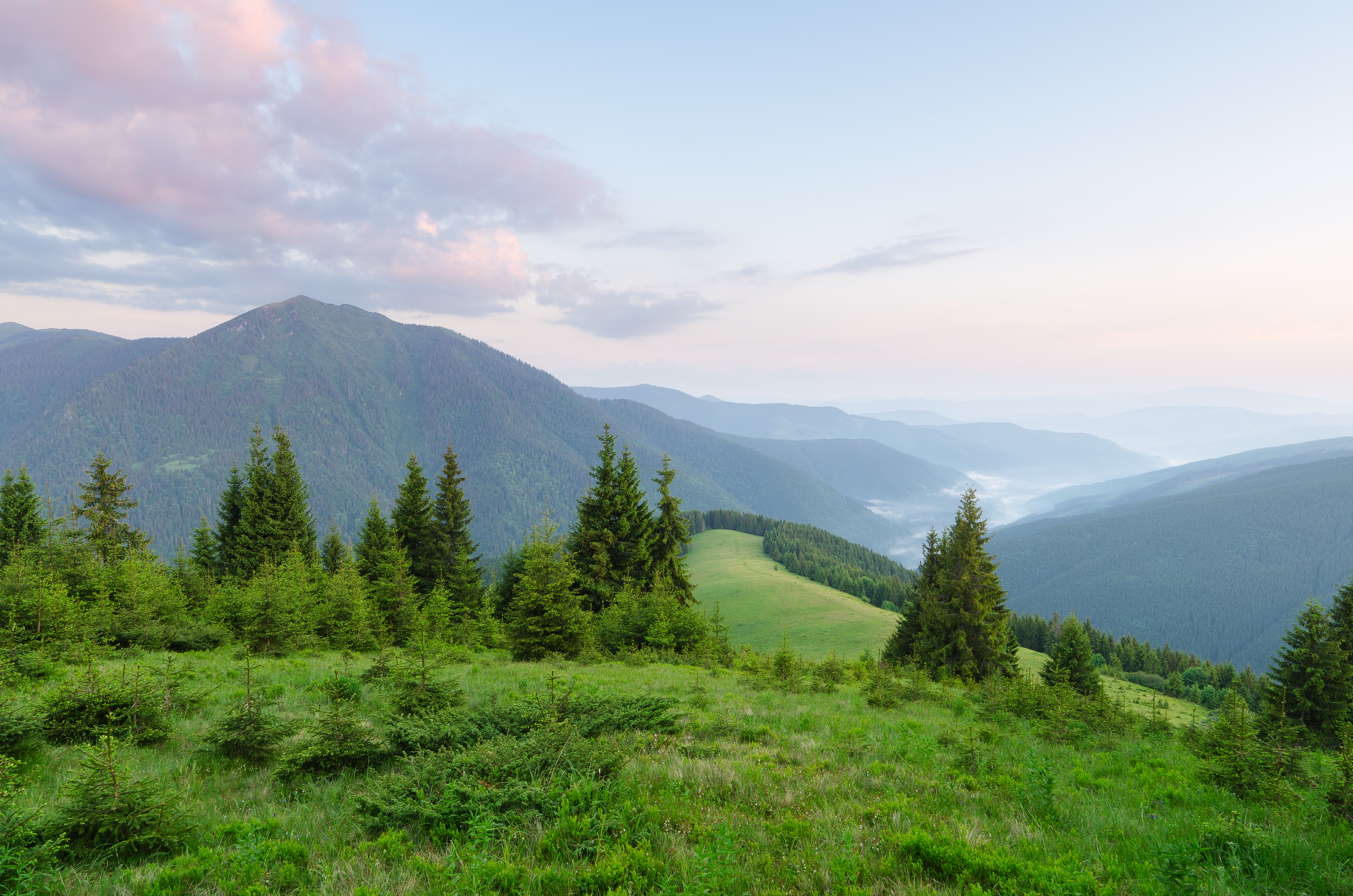
Mountain slopes are composed of varying geological layers. Loose surface colluvium (soil shifted by historical rain) cannot safely support heavy multi-story stone structures. A proper site requires shallow bedrock strata where reinforced concrete micro-piles can be directly keyed into solid quartzite or schist.
Grace Aesthetic performs comprehensive core drilling on every villa parcel prior to excavation, ensuring rock-solid stability certified to Seismic Zone IV engineering codes.
4. Aerodynamic Wind and Storm Protection
High mountain peaks face violent thermal winds during pre-monsoon squalls. The ideal location is situated just below the primary ridgeline on the leeward slope, where dense chir pine forests serve as a natural acoustic and wind buffer, shielding verandas from severe gusts.
EXPERIENCE PINEORRA HHILLS
A limited collection of biophilic villas nestled in the virgin pine forests of Kumaon. Scheduled private site visits are now open for select dates.
FREQUENTLY ASKED QUESTIONS
What slope gradient is optimal for building a multi-level mountain villa safely and economically?
A natural slope of 15 to 25 degrees is optimal. It allows stepped, multi-level architectural designs with minimal earth cutting while delivering panoramic unobstructed views from every terrace.
How does soil testing and bedrock depth determine Himalayan villa foundation engineering?
Geotechnical core drilling reveals the depth of competent bedrock beneath surface soil. If bedrock is shallow, isolated pad footings are used; if deeper, reinforced concrete micro-piles are drilled directly into the rock to prevent slope shear.
What is the difference between sun-drenched southern exposure and shadow-locked northern slopes?
Southern slopes receive direct sunshine all winter long, reducing heating energy requirements by up to 50%. Northern slopes are in constant shadow during winter, remaining damp, colder, and prone to mold.
How can civil stormwater drainage channels protect hillside villas against monsoon cloudbursts?
Engineered estates construct stepped concrete French drains and peripheral catch basins lined with riprap stone that intercept runoff above the villa and divert it safely into natural rainwater percolation basins.